In the wake of the decline
of formal economies in Africa and the structural adjustment programs intended
to set the basis for future economic growth, agricultural production within
African cities including those in Uganda has become a much more prevalent
activity.
A small proportion of this
production is purely intended for sale in urban markets but the majority of it
is intended for home consumption.
This is the thinking of
experts who formed an organisation Hunger Fighting in Uganda (HFU) with the aim
of empowering urban dwellers who are living in the eleven cities created across
the country by engaging in urban agriculture as source of income and food
security for their families
Background
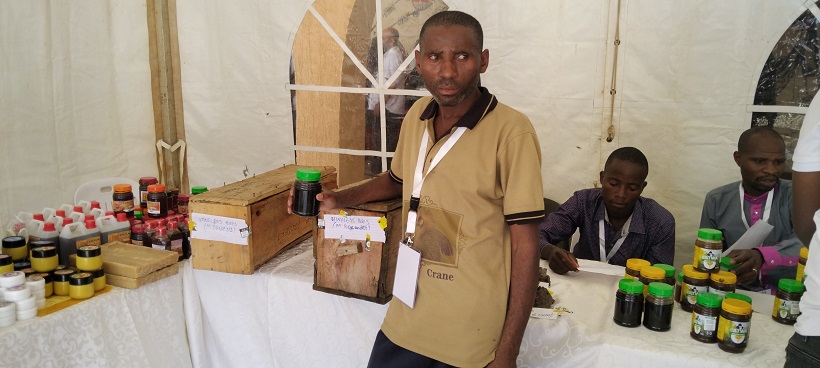
Mr Emmanuel Aturinda the
director of none governmental organisation (NGO) HFU explaining the concept of
urban dwellers in cities of Uganda during a conference held on November 10,
2022 explained that since the country is transforming in urbanisation with
growing population, it is good for the people to engage in agriculture.
He noted that in 2012 a
team of experts ranging from agricultural scientists, University Professors,
economists among others in 2012 formed the organisation where a team of
trainers went sensitizing city dwellers about the importance of growing
Mushrooms in the backyard gardens.
Urban dwellers in cities
such as Arua, Mbale, Fort Portal, Mbarara, Jinja and Kampala in areas of Wakiso
district others were trained.
The team used a model of
producing 320kg of Oyster mushroom which was processed and supplied to 490 households.
This worked out very well
and some families began growing mushrooms as food security and this led to the
first Edible Cities conference in 2015.
The organisation is
dependable on its membership with approximately 150 members where each member
is required to pay Shs70, 000 per annum.
The team also solicits
funds from organisation such as World Food Programme were they are currently
teaming up to supply food ration to refugees in Kyangweli, Nakivale and Kasongo
refugee settlements in Western Uganda
They are also
collaborating with Food and agricultural Organisation (FAO) were they are
supplying seed grown in semi-arid lands in a school feeding arrangement in
schools in Kotido and Abim.
Seed of crops such as
simsim, green gram, millet, sorghum and vegetables such as cowpea seed,
cabbages and tomatoes are supplied
The current strategies for urban
city dwellers agriculture
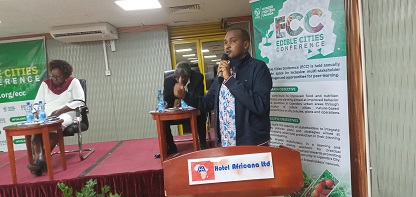
In the 2022 edible cities
conference with the theme “promoting urban agriculture to enhance food
nutrition security in Uganda’s cities” Aturinda explained that the word edible
Cities means a city that is able to produce food for consumption in an urban
setting.
This includes embracing
technologies such as use of aquaponics for growing fodder for animals, kitchen
gardening in growing vegetables, growing Irish potatoes in sacks among others.
Others aspects includes
keeping the environment in cities clean by recycling waste arising from
agricultural products. A case in point is Kampala Capital City Authority
recycling food waste as manure.
The minister of
agriculture Frank Tumwebaze who opened the conference noted that it is a fact
populations are growing in African Cities such as Lagos in Nigeria, Nairobi in
Kenya and all Uganda’s cities including
Kampala .
This means there is need
for urban dwellers to engage in food production not only in urban setting but
in the rural areas where there is enough farm land.
Giving the statistics, he
notes that about 65%of Uganda’s arable is not fully utilised and this calls for
adoption of improved resilient seed developed by crop scientists.
He said for this succeed
to farmers and people living in urban areas must be empowered by availing them
financial support inform of loans.
He noted that his ministry
has been lobbying for farm tools including tractors which will be supplied to
farmers to use as groups
He also called upon
environmentalists to lobby developed countries for Africa to be part of trade
in carbon foot print because the Continent is sufficient to provide clean air
but which must be done by the farmers involved in growing trees to be paid
ably.
Food grown for nutrition
Giving the statistical
data Ms Josette Sanyu Zziwa a food nutritionist working with Hunger for Uganda
noted that many children living in Cities are stinted and this accounts for 2.4
million in the entire country.
The children below the age
of five who wasted account 6% and 14% are underweight coupled with those
produced under 2,5kg. Such conditions according to her lead to brain waste.
The rate for anaemia for
child bearing mothers is 16.7% and 7% of these women lack iron and Vitamin A
food nutrient. Those that suffer ulcers are 10.5% and worst hit region is
Western Uganda
The children who lose
lives out of the above conditions are rated 567,621 annually therefore this
calls for production of foods rich in Vitamin, Iron and Zinc especially those
processing baby foods.
Urban food Farming
Dr Emma Naluyima an urban
mixed farmer along Entebbe Road giving her experience encouraged the youth to
engage into urban farming because it is a viable business.
She told the gathering
that she has one acre land which she has apportioned for pig rearing, East
Africa Highland (Matoke) growing, rabbit rearing and aqua fish farming.
It is her contention that
as long as an urban farmer gives the right feed to these animal which include
grain meals, maggot meal, and fodder grown using aquaponics technology, there
is enough profit to be reaped.